
Free Weights vs Resistance Machines
Which Is Best for Building Strength and Optimising Training Results?
When it comes to strength training, one of the most common questions is: are free weights or resistance machines better for results? Should you swap the leg press for a barbell squat, the shoulder press machine for dumbbells, or the chest fly machine for dumbbell flyes?
Both free weights and machines have their place in a well-rounded training program, but understanding how they differ will help you maximise performance, muscle growth, and overall fitness.
The Case for Free Weights
Humans have been lifting, carrying, pushing, and pulling objects for thousands of years, long before gym machines existed. Free weights replicate these natural, functional movement patterns far better than resistance machines.
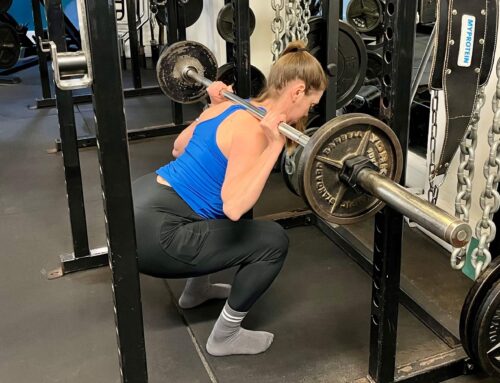
When you train with barbells, dumbbells, or kettlebells, your body must stabilise and control the weight through a full range of motion. This increased demand on stabilising and core muscles not only builds strength but also improves coordination, balance, and athletic performance.
Benefits of Free Weight Training
Promotes functional movement that translates to real-life and athletic performance.
Encourages core activation and greater muscle engagement.
Improves balance and coordination.
Allows a full range of motion for better mobility and flexibility.
Stimulates a greater hormonal response, boosting strength, hypertrophy (muscle growth), and fat loss.
Reduces the risk of muscle imbalances that can lead to injury or joint pain.
In short, free weights help you build a stronger, more capable, and better-balanced body.
The Role of Resistance Machines
Resistance machines, on the other hand, can be extremely effective tools for hypertrophy and isolation training. They are especially useful for beginners or anyone recovering from injury, as they guide the body through a fixed range of motion and reduce the need for stabilisation.
However, this stability can also be a limitation. Because the machine supports the body, there’s less engagement of the stabilising muscles, and movement patterns can become restricted. Over-reliance on machines may therefore limit athletic transfer and, in some cases, create structural imbalances.
That said, cable or pulley machines are an excellent exception. Unlike fixed-path machines, cables allow natural, multi-directional movement; making them a great complement to free weight training.
Technique Matters
While free weights offer incredible benefits, proper technique is crucial. Even small errors in form can increase the risk of injury. If you’re new to lifting, consider working with a qualified personal trainer to learn the fundamental movement patterns and ensure safe, effective execution. A few guided sessions can make a huge difference to your long-term results.
The Optimal Training Approach
The key takeaway? Free weights should form the foundation of your strength training program, but machines still have their place. At The Fitting Rooms Gym, we often include specific machine exercises like the hamstring curl or lat pullodnw, to isolate and strengthen individual muscles as part of a balanced programme.
By prioritising free weights while strategically incorporating machines, you’ll achieve the best of both worlds — strength, stability, and muscle definition.
Why Prioritise Free Weights for Strength and Fat Loss
Focusing your training on free weights will help you:
Enable full range of motion and unrestricted movement patterns
Maximise muscle activation and growth
Enhance hormonal response for faster results
Improve athletic performance and power output
Increase core stability and balance
Promote structural symmetry and reduce injury risk
Final Thoughts of free weights vs machines
When it comes to free weights vs machines, there’s no absolute winner, only the best tool for your specific goals. But if you want to build functional strength, improve athletic performance, and transform your body composition, free weights should take centre stage in your training plan.



Leave A Comment